Flood Damage Cleanup Services
Cape Coral & SWFL Canal Surge Response
Flood damage cleanup in Cape Coral, FL involves a different set of challenges than an indoor plumbing leak canal overflow, storm surge, and heavy seasonal rain often introduce contaminated water (Category 2 or 3) into a home, which changes both the safety protocol and the cleanup process. Our flood cleanup team follows IICRC S500 guidelines for contaminated water categories, meaning affected porous materials like carpet padding, insulation, and drywall are often removed rather than dried, to prevent long-term contamination and mold risk. We coordinate extraction, disposal of unsalvageable materials, antimicrobial treatment, and structural drying as one continuous process not separate appointments to get your property through the cleanup phase as quickly and safely as possible.
Heavy-Lift Pumps
150+ GPM continuous floodwater discharge.Category 3 Certified
EPA botanical sanitation & pathogen eradication.Code-Compliant Rebuild
Florida licensed structural reconstruction.FEMA / NFIP Support
Complete Xactimate proof-of-loss records.Flood Emergency: Do this first
Floodwaters contain hazardous pathogens, canal runoff, and electrical shock dangers. Follow these essential safety protocols immediately.
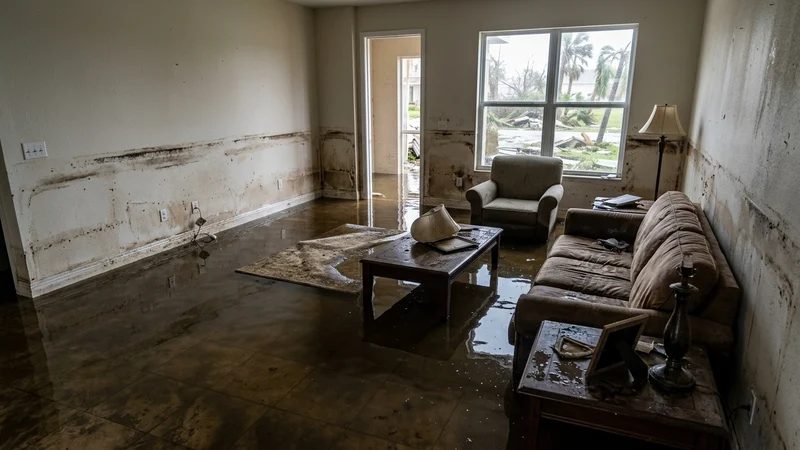 Step 01
Avoid Standing Floodwater
Never wade through floodwater. Submerged wiring, chemical contaminants, and biohazards create extreme risks.
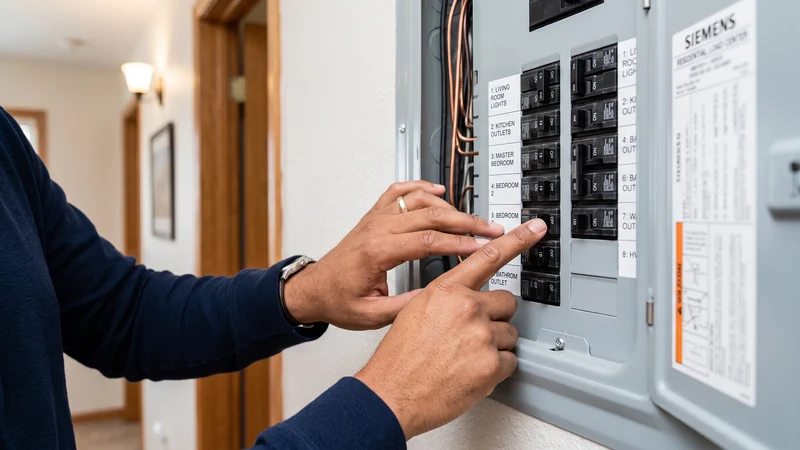 Step 02
Shut Off Main Breaker
Cut main electricity only if your electrical panel is located in a completely dry, accessible area.
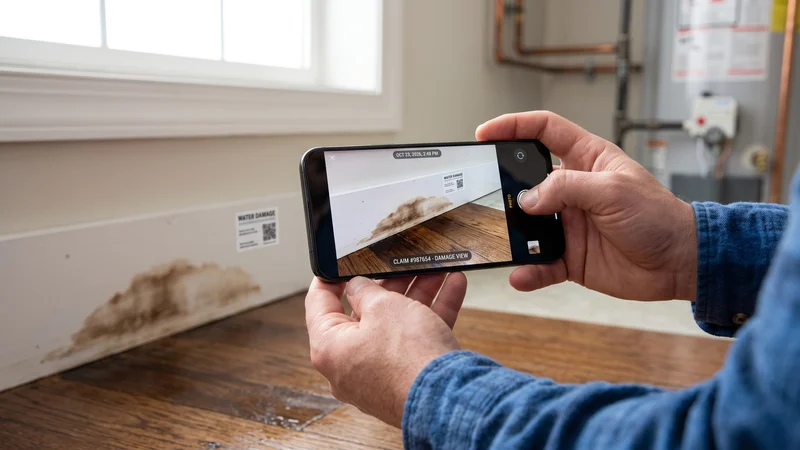 Step 03
Document Waterlines
Photograph watermarks on exterior and interior drywall before any water recedes or dries out.
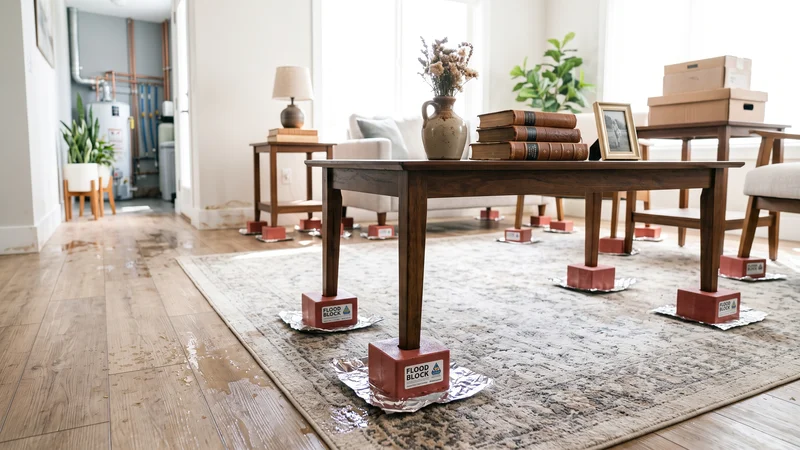 Step 04
Keep Family & Pets Clear
Keep children and pets completely isolated from flooded zones to prevent bacterial skin infection and toxic exposure.
 Step 05
Call 24/7 Flood Response
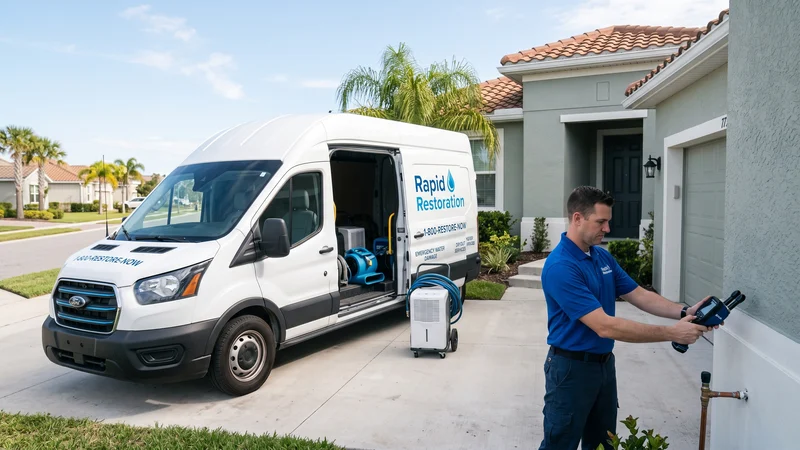
We deploy submersible trash pumps, truck-mounted extraction, and hospital-grade EPA botanical disinfectants across Lee County.
Cape Coral Canal Surge & Storm Flood Recovery
Cape Coral is home to more than 400 miles of navigable canals — more than any other city on Earth. While these waterways provide scenic waterfront living, they also act as direct funnels for tidal storm surges during tropical storms and hurricanes. In major storms like Hurricane Ian, surges pushed water 3 to 12 feet above normal high tide, overwhelming seawalls and flooding hundreds of ground-floor properties across Lee County.
Floodwaters are classified under ANSI/IICRC S500 as Category 3 Black Water. They are grossly unsanitary, carrying street runoff, silt, soil bacteria, sewage, heavy metals, and saltwater into living areas. Standard carpet cleaners or shop vacs cannot safely remediate Category 3 contamination.
At Rapid Restoration Group, our certified flood recovery teams deploy high-volume submersible trash pumps, industrial sand-vacs, and EPA-registered botanical virucides. We execute code-compliant drywall flood cuts, decontaminate concrete foundations, and coordinate directly with storm damage restoration crews to rebuild your home safely.

Understanding Category 3 Floodwater Contaminants
Floodwaters from canal surges and river overflows carry acute biohazard risks that require professional HAZMAT containment and hospital-grade disinfection.
Pathogenic Bacteria & Viruses
Floodwaters contain dangerous levels of *Escherichia coli*, *Salmonella*, *Campylobacter*, and enteroviruses sourced from overwhelmed municipal sewer systems and septic tanks.
Toxic Silt & Marine Sediment
Canal surge leaves behind thick layers of organic silt, rotting marine vegetation, and heavy metal runoff from roads that penetrate deep into subfloors and wall framing.
Rapid Fungal Amplification
The combination of high nutrient loads in floodwater and Florida's heat triggers massive mold spore germination (*Stachybotrys* and *Aspergillus*) within 24 hours.
Health Advisory: Never Wading in Standing Floodwater Without PPE
Floodwaters conceal submerged sharp debris, displaced wildlife, and live electrical currents. Exposure through open cuts or inhalation can lead to severe skin infections (*Vibrio vulnificus*), gastrointestinal illness, and respiratory disease. Our teams wear Level C HAZMAT suits and full-face respirators during initial pump-outs.
Our Specialized Flood Cleanup Equipment
Removing thick silt, marine sediment, and hundreds of thousands of gallons of water requires industrial machinery built for high-solids pumping.
Submersible Trash Pumps
Rated at 150+ GPM with 2-inch solid-handling impellers to pump out standing water mixed with sand, silt, and debris without clogging.
Industrial Sand-Vacs
High-capacity vacuum recovery systems that suck heavy wet sediment, mud, and sand deposits directly out of flooded living areas.
Botanical Antimicrobial Sprayers
EPA-registered Benefect Decon 30 applied under pressure to sterilize concrete slab foundations and structural framing studs.
HEPA Negative-Air Scrubbers
Commercial 2,000 CFM air filtration machines that capture airborne biological particulates and mold spores during demolition.
Salvageable vs. Non-Salvageable Materials (Category 3)
Following IICRC S500 guidelines, here is what building materials can be sanitized and saved versus what must be cut out and safely discarded.
| Building Material | Category 3 Flood Impact | Required Action | Salvage Possibility |
|---|---|---|---|
| Drywall & Sheetrock | Absorbs contaminated water and silt; wicks bacteria upward through gypsum core. | Precision flood cuts executed 12–24 inches above the highest water mark. | Must Be Discarded |
| Fiberglass & Cellulose Insulation | Becomes completely saturated with bacteria; compresses and permanently loses R-value. | Complete removal and disposal in sealed heavy-duty poly disposal bags. | Must Be Discarded |
| Carpet & Carpet Padding | Traps silt, bacteria, and sewage pathogens deep inside sponge padding. | Cut into manageable strips, rolled, and discarded immediately. | Must Be Discarded |
| Concrete Slab Foundations | Porous surface absorbs water and bacteria, but concrete remains structurally intact. | High-pressure washing, industrial vacuuming, and botanical antimicrobial scrubbing. | 100% Salvageable |
| Solid Wood Framing Studs | Structural 2x4 and 2x6 studs absorb surface water but maintain structural strength. | Abrasive scrubbing, EPA antimicrobial wash, and LGR psychrometric dry-down. | 100% Salvageable |
| Ceramic & Porcelain Tile | Tile surface is impervious; grout lines absorb water and may require deep sanitization. | Surface decontamination and subfloor moisture evaluation with Tramex meters. | Typically Salvageable |
FEMA NFIP & Private Flood Claims Assistance
Standard Florida homeowner policies strictly exclude rising flood damage. If your property is damaged by a canal surge or rising storm runoff, your claim must be filed under your FEMA National Flood Insurance Program (NFIP) policy or private flood insurer (e.g., Neptune, Wright Flood, Palomar).
Flood claims require rigorous, line-item Proof of Loss documentation. We capture high-resolution photographic evidence of water lines on walls, record moisture mappings, catalog damaged structural materials, and generate certified Xactimate estimates adhering to FEMA's strict price schedule.
Our senior flood project managers coordinate directly with your flood adjuster, ensuring every linear foot of flood-cut drywall, every square foot of insulation, and all decontamination treatments are fully accounted for.

Restoration Drying Calculator
Get a quick visual estimate of structural drying times based on water type.
Drying Estimates
Key Restoration Steps:
Frequently Asked Questions
Floodwaters from storms, canal surges, or overflowing waterways contain high concentrations of harmful pathogens, including E. coli, Salmonella, raw sewage, agricultural runoff, heavy metals, and marine bacteria. Contact poses serious health hazards and requires full protective equipment and antimicrobial sanitation.
No. Porous materials like drywall, fiberglass insulation, carpets, and carpet padding that absorb Category 3 floodwaters cannot be effectively sanitized. Industry standards (IICRC S500) mandate that drywall be cut and removed at least 12 to 24 inches above the water line, and all wet insulation and carpeting must be safely discarded.
No, standard Florida homeowner insurance policies (HO-3) strictly exclude rising floodwaters and canal storm surges. Flood damage is covered under separate flood insurance policies through FEMA's National Flood Insurance Program (NFIP) or private flood carriers. We compile detailed itemized Xactimate estimates for flood adjusters.
We deploy commercial high-solids submersible trash pumps rated at 150+ GPM to remove standing water, industrial sand-vacs and hydro-extractors for silt and mud, pressure washers with containment baffles, and HEPA negative-air scrubbers to maintain safe indoor air quality during demolition.
We execute precision 'flood cuts' either 2 feet (24 inches) or 4 feet (48 inches) above the floor level, maintaining a minimum 12-inch buffer above the highest water intrusion point to remove wicked moisture and inspect the interior wall cavities for hidden contaminants.
We thoroughly pressure wash and vacuum concrete slabs, followed by deep application of EPA-registered botanical antimicrobials (Benefect Decon 30) that penetrate concrete pores to destroy bacteria without releasing toxic synthetic fumes.
Cape Coral has over 400 miles of canals connected to Charlotte Harbor and the Caloosahatchee River. During tropical storms and hurricanes, high storm surges push seawater into the canal system, causing rapid tidal backflows that flood low-lying residential streets and ground-floor living spaces in FEMA Zones AE and VE.
Prioritize personal safety: do not enter standing floodwater until power has been shut off at the main meter. Call our 24/7 emergency flood team at 877-745-4510, take comprehensive photos and videos of water lines on walls and furniture, and contact your flood insurance carrier to report the loss.
Our Service Location Map
Proudly serving Cape Coral, FL and all surrounding communities 24/7.