Water Damage Restoration
Cape Coral & SW Florida
Water damage restoration in Cape Coral, covers the full path back to normal not just removing standing water, but drying the structure completely, treating for contamination, and repairing whatever was damaged along the way. Many homeowners assume the job is done once the visible water is gone, but moisture trapped inside drywall, subfloors, and framing keeps causing damage for weeks if it isn't professionally dried and verified with moisture meters. Our cape coral water damage restoration process moves through four stages inspection and water categorization, extraction, structural drying and monitoring, and final repairs with documentation at each step for your insurance claim. Whether the damage came from a slow leak you just discovered or a major loss, we manage the entire project under one team instead of handing you off between separate contractors.
45-Min Response
Rapid local dispatch across Lee & Collier Counties.Psychrometric Drying
Scientific humidity & moisture baseline tracking.Licensed & Insured
Florida State Certified Mold & General Contractors.Xactimate Direct Billing
Itemized claim logging for your insurance carrier.Water Leak In Progress? Follow This 5-Step Triage Plan
Water moves swiftly across concrete slabs and behind baseboards. Take these steps while our IICRC-certified extraction van is en route.
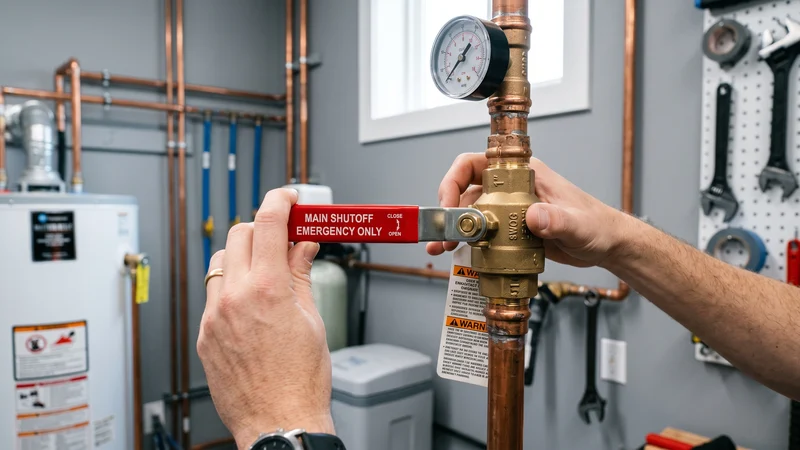 Step 01
Stop The Source
Shut off the main house valve, toilet angle stop, or water heater supply line to stop the water inflow.
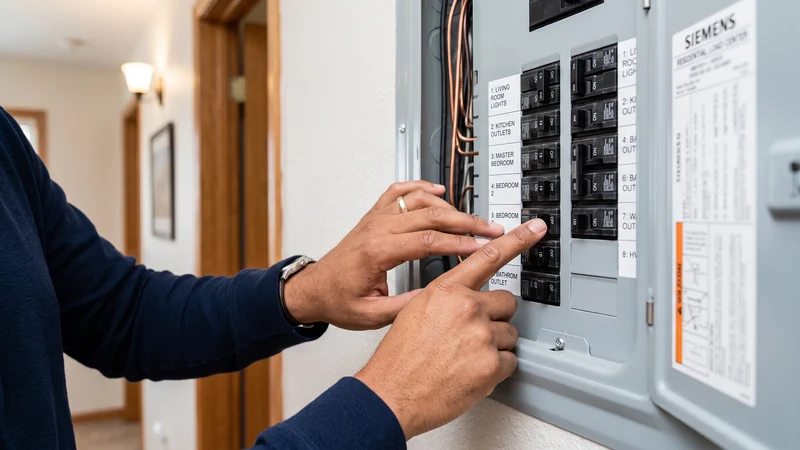 Step 02
Cut Room Electricity
De-energize breakers powering affected rooms. Keep all cords and appliances away from standing water.
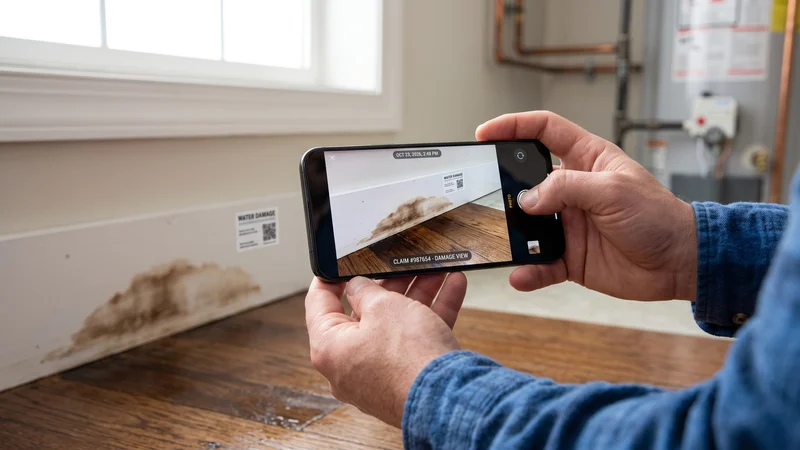 Step 03
Photograph Damage
Record high-resolution photos and video of wet carpets, drywall stains, baseboards, and flooring edges.
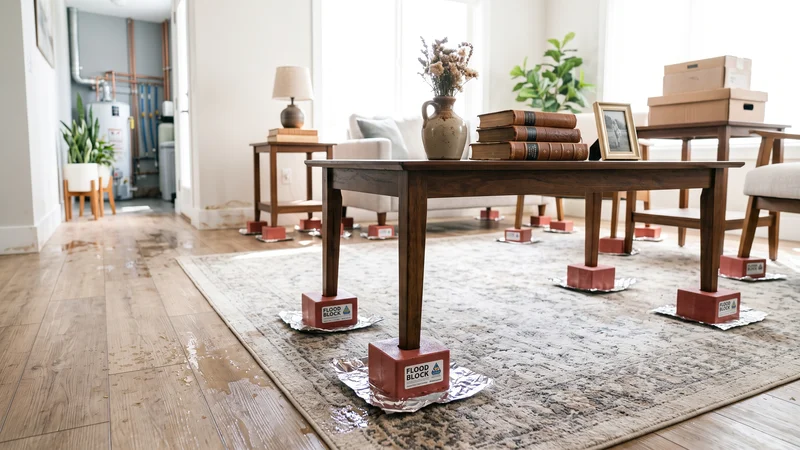 Step 04
Protect Furniture & Textiles
Place plastic wrap or aluminum foil squares under wood and metal furniture legs to prevent irreversible carpet stains and rust bleeding.
 Step 05
Call 24/7 Water Damage Hotline
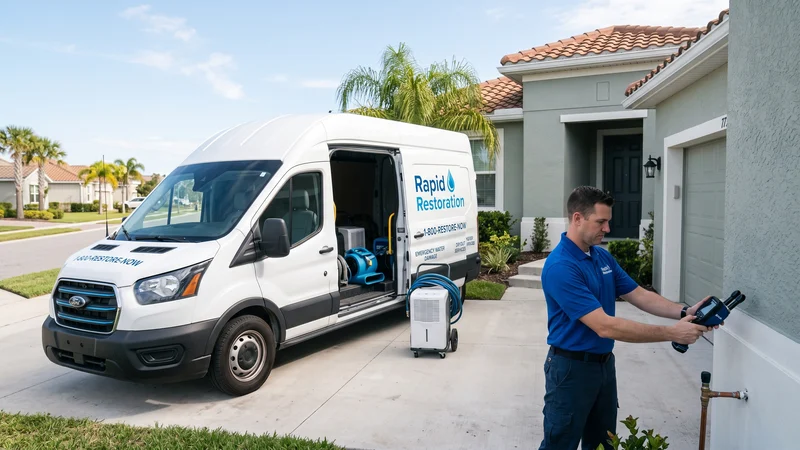
Certified technicians dispatched immediately across Southwest Florida with industrial FLIR thermal imaging and high-velocity drying systems.
Scientific Water Damage Cleanup & Structural Drying in Cape Coral
Water damage in Cape Coral is fundamentally different from drier regions. With over 400 miles of tidal canals, high coastal water tables, and summer relative humidity consistently exceeding 75%, moisture trapped in building assemblies does not evaporate naturally. Instead, untreated water wicks up porous drywall, soaks concrete slab foundations, and triggers aggressive microbial mold growth within 24 to 48 hours.
As Cape Coral's leading emergency restoration contractor, Rapid Restoration Group executes precision mitigation following strict ANSI/IICRC S500 Standards. We don't just pump out surface water; we track the hidden path of moisture through concrete subfloors, wall studs, and insulation using infrared thermography and digital moisture meters.
Whether your emergency is caused by a burst PEX supply line, a leaking water heater, an air conditioner condensation drain line overflow, or a coastal flood event, our certified restoration specialists stabilize your property, eliminate bacteria with botanical antimicrobials, and dry structures to certified equilibrium baselines.
IICRC Water Categories & Drying Classes
Understanding the contamination category and saturation class determines the exact engineering protocol, extraction tools, and safety containment required for your home.
| Water Category | Source & Contamination Level | Required Mitigation Action | Safety Protocol |
|---|---|---|---|
| Category 1: Clean Water | Broken supply lines, sink/bathtub overflows, melting ice, rainwater intrusion through intact windows. | Rapid extraction, structural drying with LGR dehumidifiers and high-velocity air movers. Materials can typically be saved if dried within 24–48 hours. | Standard technician PPE; no chemical biohazard containment required. |
| Category 2: Grey Water | Washing machine discharge, dishwasher overflows, sump pump failures, toilet overflows with urine (no feces). | High-volume extraction, removal of saturated carpet padding, botanical antimicrobial sanitation of framing and subfloors. | Targeted sanitization wash, antimicrobial fogging, protective respiratory equipment. |
| Category 3: Black Water | Sewage backups, storm surges, tidal canal overflows, stagnant water containing silt, bacteria, and toxic pathogens. | Mandatory demolition and disposal of all porous materials (drywall flood cuts at 2ft/4ft, carpet/pad removal), hospital-grade disinfection, HEPA air filtration. | Full HAZMAT PPE, negative air pressure containment, strict biohazard clearance testing. |
Class 1 Water Loss
Slow rate of evaporation. Affects only a small portion of a room or low-porosity materials like concrete and hardwood with minimal moisture absorption.
Class 2 Water Loss
Fast Evaporation Rate
Affects an entire room of carpet and cushion. Water has wicked up drywall less than 24 inches, requiring high-velocity radial airflow.
Class 3 Water Loss
Fastest Evaporation Rate
Water comes from overhead (burst ceiling pipes, roof breaches). Saturated ceilings, walls, insulation, carpet, and subfloor assemblies.
Class 4 Deep Bound
Specialty Drying Situation
Deeply trapped moisture inside low-permeance materials like stone, brick, gym floors, and dense concrete foundation slabs.
FLIR® Thermal Imaging & Moisture Mapping
Water can get behind walls, under floors, and in other places you cannot see. We use FLIR® cameras and moisture meters to help find hidden water and see which areas need to be dried.
Infrared Thermography (FLIR E8)
Evaporating water causes a subtle temperature drop. Our high-resolution thermal cameras reveal cold thermal signatures indicating hidden moisture pockets behind finished drywall and ceiling tiles without cutting holes.
Tramex Non-Destructive Meters
We use Tramex moisture meters to check for hidden moisture in flooring and other building materials without causing unnecessary damage.
Daily Psychrometric Moisture Logs
Our technicians record ambient temperature, relative humidity (RH), grains per pound (GPP), and specific humidity daily, creating a verifiable audit trail required by insurance adjusters for complete claim approval.
Why "Looks Dry" Is Dangerous in Southwest Florida
Drywall and flooring surfaces often feel completely dry to the touch within 24 hours while framing studs and concrete subfloors remain dangerously saturated at 80%+ moisture capacity. Leaving this hidden moisture untreated guarantees toxic mold colonization and structural wood rot behind your walls.
Our 6-Phase Water Restoration Process
We follow a rigorous, scientific dry-standard protocol to mitigate damage, protect indoor air quality, and restore your property to pre-loss condition.
1. Hazard Assessment & Source Stop
Upon our 45-minute arrival, we isolate active plumbing leaks, inspect electrical circuit safety, and map the full perimeter of water migration using infrared cameras.
2. High-Volume Bulk Extraction
We deploy truck-mounted high-vacuum extraction systems and weighted extraction pads to remove hundreds of gallons of standing water from flooring and subfloors fast.
3. Botanical Antimicrobial Wash
We apply EPA-registered botanical sanitizers (Benefect Decon 30) across all exposed studs and subfloors to neutralize bacteria and inhibit mold growth.
4. Industrial Structural Drying
We use commercial LGR dehumidifiers and high-velocity air movers to control humidity, improve air circulation, and help dry affected building materials.
5. Daily Moisture Auditing
We check moisture levels throughout the drying process and adjust our equipment when needed to make sure the affected areas are drying properly.
6. Full Code-Compliant Rebuild
As a licensed Florida contractor, we complete all drywall hanging, texture matching, baseboard trim, flooring installation, and painting seamlessly.
Restoring Specific Building Materials in Southwest Florida
Cape Coral residential construction consists primarily of concrete slab-on-grade foundations, concrete block (CBS) exterior walls, and wood stud partitions — each requiring custom drying physics.
Concrete Slab-on-Grade Moisture Extraction
Because concrete is porous, standing water quickly absorbs deep into the foundation slab. If new flooring is installed over wet concrete, moisture vapor will cause tile to pop (tenting), wood floors to buckle, and adhesives to fail. We deploy high-temperature LGR dehumidification to draw bound moisture out of the concrete core before finish flooring is reinstalled.
Drywall & Baseboard Cavity Injections
Drywall acts like a sponge, drawing water upward via capillary action. In Category 1 losses, we remove vinyl/wood baseboards and drill small 5/8" access holes into the bottom of the wall track to inject warm, dehumidified air directly into the wall cavity without ripping down entire walls.
Hardwood & Engineered Wood Floor Panels
Wood floorboards cup and crown when moisture gets trapped beneath the planks. We utilize specialized vacuum drying mat systems (Injectidry) that seal tightly over the hardwood surface, pulling moisture out of the wood grain from underneath without sanding or tearing up valuable flooring.
AC Condensate & Air Handler Water Damage
The #1 cause of indoor water emergencies during Cape Coral summers is a clogged AC primary condensation drain line. Overflows in attic or closet air handlers quickly saturate ceiling drywall, leading to sudden ceiling collapses and saturated ceiling joists. We provide emergency ceiling shoring, extraction, and antimicrobial treatment.
What To Do (And NOT Do) in the First 60 Minutes
Your immediate actions before our rapid dispatch crew arrives can drastically minimize structural losses and protect your family's safety.
DO IMMEDIATELY:
- Shut Off Main Water Valve: Locate your home's main water shutoff (usually near the street meter or garage) and turn it 90 degrees clockwise to stop incoming water.
- Turn Off Electrical Breakers: If water has touched wall outlets, baseboards, or ceiling lights, shut off power to the affected rooms at your breaker panel.
- Elevate Furniture & Drapes: Place aluminum foil or plastic wrap under wooden furniture legs resting on wet carpet to prevent wood stain bleeding.
- Take Initial Photo/Video Proof: Document standing water levels, burst pipes, and damaged personal property before anything is moved for your insurance adjuster.
DO NOT DO (CRITICAL HAZARDS):
- DO NOT Use Regular Vacuum Cleaners: Household vacuum cleaners are not waterproof and will cause severe electrical shock, motor explosions, and equipment destruction.
- DO NOT Enter Rooms with Sagging Ceilings: Saturated drywall ceiling panels weigh over 50 lbs and can collapse without warning. Stay clear of bulged ceilings.
- DO NOT Leave Saturated Area Rugs on Hardwood: Wet rugs trap moisture against wood and tile flooring, accelerating floor warping and subfloor mold.
- DO NOT Turn On Ceiling Fans in Wet Rooms: If ceiling electrical boxes are wet, turning on fans can cause short circuits and structural fires.
Florida Insurance Claims & Direct Billing Assistance
Navigating property insurance claims in Florida can be challenging following recent statutory changes. We handle the technical documentation so you don't have to stress.
Xactimate® Estimating
We generate your restoration estimate using Xactimate — the exact same software required by all major property insurance carriers (State Farm, Citizens, Universal, Tower Hill, Heritage) for standard line-item pricing approval.
Florida Notice of Loss Compliance
Under Florida Statute 627.70152 (2023 property insurance reforms), policyholders must file notice of loss within 1 year. We compile certified photo logs, moisture maps, and cause-of-loss reports immediately to keep your claim compliant.
Adjuster On-Site Coordination
Our senior mitigation managers meet directly with your insurance adjuster on-site, walking them through the thermal imaging data and psychrometric moisture logs to ensure all required drying and rebuild costs are covered.
Restoration Drying Calculator
Get a quick visual estimate of structural drying times based on water type.
Drying Estimates
Key Restoration Steps:
Frequently Asked Questions
In Southwest Florida's subtropical climate where relative humidity regularly exceeds 75%, mold spores begin colonizing saturated building materials within 24 to 48 hours. Rapid emergency extraction and drying are required immediately to prevent severe secondary mold damage.
Under IICRC S500 standards: Category 1 is clean water from supply pipes or faucets. Category 2 (Grey Water) contains chemical or biological contaminants from washing machines, dishwashers, or sump pumps. Category 3 (Black Water) is grossly unsanitary water from sewer backups, storm surges, or canal flooding containing harmful pathogens, requiring mandatory removal of porous materials.
Most Florida standard homeowner policies (HO-3 forms) cover sudden and accidental water losses, such as burst plumbing lines, failed water heaters, or appliance overflows. Rising storm surge or canal flooding requires separate flood insurance (NFIP/private). We compile comprehensive Xactimate estimates and photo logs to bill your insurance carrier directly.
Standard structural drying typically takes 3 to 5 days using commercial Low-Grain Refrigerant (LGR) dehumidifiers and high-velocity air movers. Saturated concrete slabs or subfloors in Cape Coral homes may require 5 to 7 days of targeted moisture extraction.
We use FLIR thermal imaging cameras to identify temperature differentials caused by evaporative cooling, combined with Tramex non-destructive moisture meters and penetrating pin probes to measure exact moisture percentages inside wall cavities and concrete slabs without unnecessary demolition.
First, prioritize safety: shut off the main water shutoff valve immediately and avoid standing water if electrical outlets or appliances are submerged. Call our 24/7 dispatch at 877-745-4510, take initial photos for your insurance adjuster, and avoid using household vacuum cleaners on standing water.
Under recent Florida legislative reforms (F.S. 627.70152), homeowners must file notice of property damage with their insurer within 1 year of the loss date. Rapid Restoration Group works directly alongside your insurance adjuster, providing itemized line-item documentation to ensure full transparency and seamless claim processing.
If drywall is exposed to Category 1 clean water and dried thoroughly within 24-48 hours, it can often be saved. If exposed to Category 2 or 3 contaminated water, or if drywall has lost structural integrity and sagged, a 'flood cut' is made 12 to 24 inches above the water line to discard compromised materials and dry the inner wall cavity.
Our Service Location Map
Proudly serving Cape Coral, FL and all surrounding communities 24/7.