Mold Remediation Services
Cape Coral & SWFL Mold Abatement
Mold remediation in Cape Coral, FL is fundamentally different from simply cleaning visible mold. The goal is to remove the contamination at its source, contain spores so they don't spread to unaffected areas, and correct the moisture problem that caused growth in the first place. Our licensed mold remediation process begins with containment: sealing off the affected area with negative air pressure so spores aren't pushed into your home's HVAC system or living spaces during the work. From there we remove and dispose of contaminated porous materials, apply EPA-registered antimicrobial treatments to remaining structural surfaces, and run HEPA air scrubbers to clear airborne spores before final clearance testing. Every remediation project in Cape Coral's humid climate also includes a moisture source assessment, because mold that isn't addressed at its root will return within weeks.
State Licensed (MRSR)
Strict Florida Chapter 468 compliance.2,000 CFM HEPA Scrubbers
Negative-pressure multi-stage filtration.EPA Botanical Sanitizers
Benefect Decon 30 non-toxic treatments.100% Clearance Pass Rate
Independent third-party laboratory verification.Suspect Mold? Do this first
Improper handling of mold spreads millions of toxic mycotoxins into your living area. Follow these state-licensed guidelines.
 Step 01
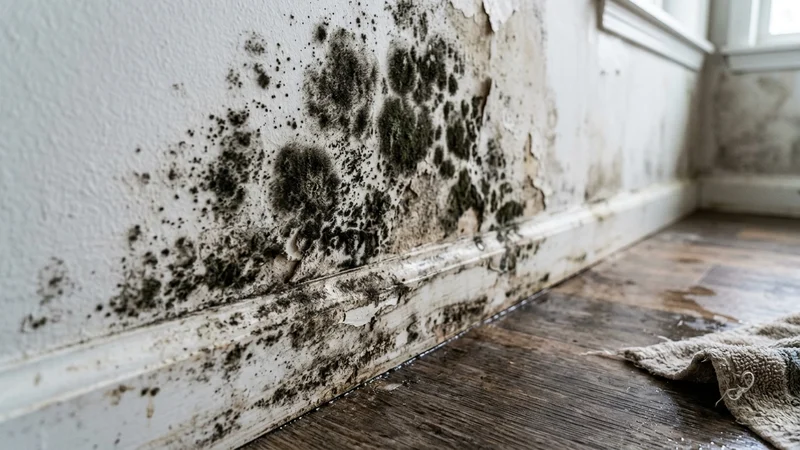
Do Not Disturb Mold
Never scrub, scrape, or blow air onto mold spots. Physical disturbance aerosolizes millions of fungal spores.
 Step 02
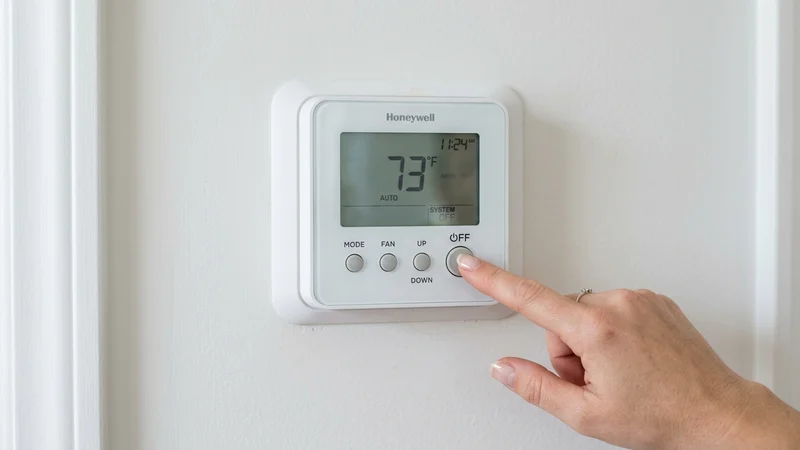
Shut Off HVAC System
Turn off your air conditioning system immediately to stop spores from circulating through the duct system.
 Step 03
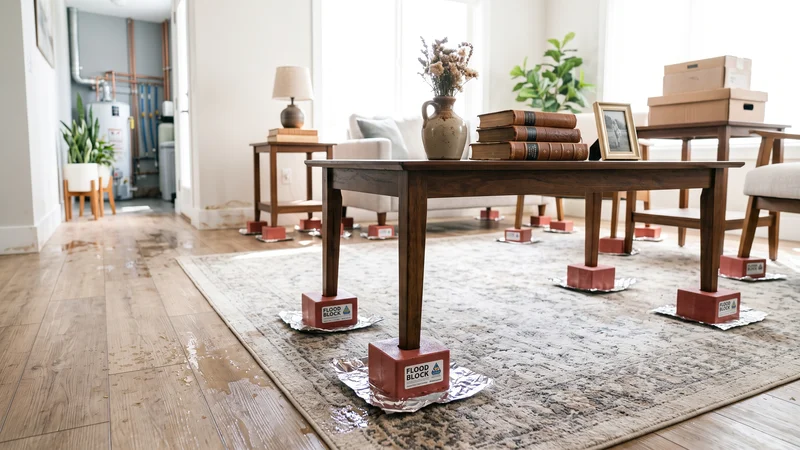
Isolate The Space
Keep doors closed and seal off the affected room until containment barriers and negative air are established.
 Step 04
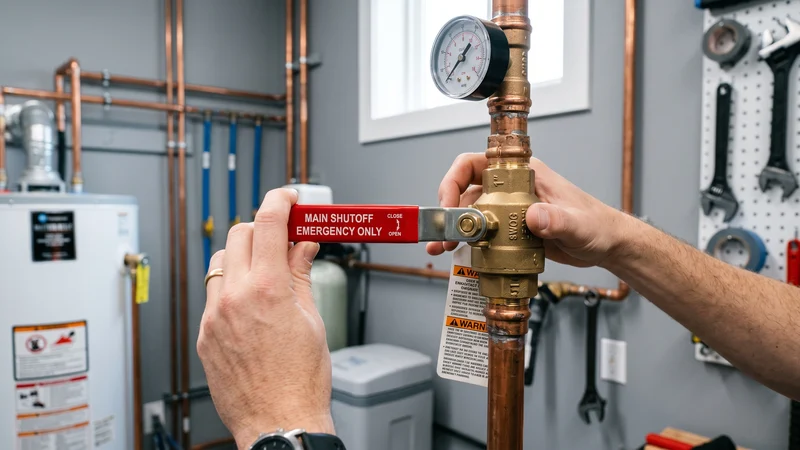
Avoid Household Bleach
Bleach is 90% water and accelerates fungal growth on porous wood and drywall. Use EPA-registered botanical treatments.
 Step 05
Request Licensed Inspection
Licensed Florida MRSR team deploys HEPA negative-air scrubbers, non-destructive moisture mapping, and independent clearance testing.
Florida Statute Ch. 468 Mold Licensing Standards
In Florida, mold remediation is strictly regulated by law to protect property owners. Under Florida Statute Chapter 468, the state mandates a legal separation between the company that tests for mold (MRSA — Mold Related Services Assessor) and the company that performs the remediation work (MRSR — Mold Related Services Remediator).
Companies that offer to "test and remediate" using their own internal lab create an inherent conflict of interest. At Rapid Restoration Group, we are state-licensed MRSR remediation specialists. We work alongside accredited, independent third-party assessors who draft formal remediation protocols and perform post-remediation clearance testing.
Whether mold began from an unnoticed hidden plumbing leak, air conditioning condensation buildup, or storm floodwater, our scientific containment and botanical treatments safely eliminate fungal colonies and restore healthy indoor air quality.

Common Toxic Mold Species in Cape Coral Homes
Southwest Florida's warm, humid environment provides an ideal breeding ground for several hazardous fungal genuses that impact respiratory health.
Stachybotrys chartarum
"Toxic Black Mold"
A greenish-black mold that produces trichothecene mycotoxins. Thrives on cellulose-rich materials (drywall, wood framing) subjected to prolonged water damage. Associated with chronic fatigue and respiratory distress.
Aspergillus niger & fumigatus
HVAC & Wall Cavity Mold
Commonly found inside air conditioning ductwork, attic insulation, and closet drywall. Releases microscopic airborne spores that trigger severe allergic reactions, asthma attacks, and pulmonary issues.
Penicillium & Cladosporium
Surface & Subfloor Fungi
Rapidly colonizes damp carpets, wallpaper, upholstered furniture, and subfloors. Spreads rapidly in high ambient humidity (>60% RH) and emits pungent, earthy volatile organic compounds (VOCs).
Negative Pressure Containment Engineering
Disturbing mold colonies releases millions of microscopic spores into the air. Our strict physical containment protocols protect the rest of your home.
6-Mil Polyethylene Isolation
We seal off the work zone from floor to ceiling with heavy-duty 6-mil poly barriers, magnetic airtight zip-doors, and tape-sealed HVAC return grilles to isolate all contaminated air.
Negative Air Pressure Scrubbing
Industrial 2,000 CFM HEPA air machines continuously pull air out of the containment zone through flex ducting exhausted outside, creating a vacuum that prevents spores from escaping into clean rooms.
99.97% HEPA Filtration
True HEPA filters capture airborne fungal particles down to 0.3 microns, removing mycotoxins, spore fragments, and biological dust throughout the entire remediation timeline.
Why Bleach Fails on Porous Drywall vs. Botanical Antimicrobials
Many homeowners try to kill mold with household chlorine bleach. Here is the scientific explanation for why bleach accelerates mold regrowth on porous materials.
| Feature / Mechanism | Household Chlorine Bleach | EPA Botanical Antimicrobial (Benefect) |
|---|---|---|
| Active Chemical Ingredient | Sodium Hypochlorite (diluted in 90% water). | Thymol (botanical plant extract from thyme oil). |
| Porous Surface Penetration | Surface Only Chlorine molecules are too large to penetrate drywall or wood; only the water carrier absorbs. | Deep Penetration Low surface tension allows active botanicals to penetrate deep into wood framing fibers. |
| Root System (Hyphae) Impact | Bleaches surface color while water feeds the root system (hyphae) inside the core. | Neutralizes both surface spores and deep cellular fungal roots completely. |
| Toxicity & Off-Gassing | Releases harsh chlorine gas fumes; corrosive to metallic electrical boxes and fasteners. | 100% natural botanical; zero toxic off-gassing, safe for children and pets. |
| Long-Term Fungal Resistance | Mold typically returns within 2 to 4 weeks stronger than before. | Leaves an antimicrobial residual barrier that inhibits spore re-germination. |
Our 6-Step Mold Remediation Process
We follow ANSI/IICRC S520 Standard for Professional Mold Remediation to guarantee a safe, certified outcome.
1. Protocol & Scope Review
We review the independent mold assessor's scope of work, identifying all contaminated drywall panels, baseboards, and ceiling tiles.
2. Critical Containment Setup
We construct sealed poly chambers, seal off HVAC duct registers, and establish continuous negative air pressure with HEPA scrubbers.
3. Controlled Material Removal
Colonized drywall, ceiling tiles, and fiberglass insulation are carefully removed and double-bagged in 6-mil hazardous waste bags.
4. HEPA Vacuuming & Bio-Scrubbing
Structural wood studs and concrete surfaces are HEPA-vacuumed and hand-scrubbed with EPA-registered botanical antimicrobials.
5. Air Scrubbing & Detailing
Commercial air filtration units operate continuously for 48 hours to capture airborne microscopic particulates and settle all dust.
6. Third-Party Clearance Pass
An independent licensed mold assessor conducts PRV air testing. Once lab results pass, containment is dismantled and rebuild begins.
Third-Party Post-Remediation Verification (PRV)
After remediation, we mandate a clearance test by an independent Mold Assessor (MRSA) to verify spore counts have returned to normal fungal ecology baselines. Independent clearance testing provides uncompromised legal and scientific proof required for real estate disclosures and insurance settlement releases in Florida.
We do not drop containment plastic or de-energize HEPA air scrubbers until the independent laboratory issues a formal written clearance pass certificate.

Restoration Drying Calculator
Get a quick visual estimate of structural drying times based on water type.
Drying Estimates
Key Restoration Steps:
Frequently Asked Questions
Under Florida Statute Chapter 468, it is illegal for the same company to perform both mold assessment/testing (MRSA) and mold remediation (MRSR) on the same property. This consumer protection law prevents fraudulent self-testing and guarantees unbiased post-remediation clearance verification.
Bleach (sodium hypochlorite) contains 90% water and cannot penetrate porous surfaces like drywall or wood. The chlorine chemical stays on the surface while water soaks into the material, providing moisture that feeds deep mold roots (hyphae). This often causes mold to return stronger within weeks. Professional remediation uses penetrating EPA-registered botanical antimicrobials.
Signs include dark greenish-black clusters with a slimy or velvety texture (Stachybotrys), persistent musty or damp odors, bubbling wall paint, black speckling along AC supply vents, and respiratory irritation, sneezing, or sinus congestion that improves when leaving the home.
A typical residential mold remediation project in Cape Coral takes between 3 to 5 business days, including containment setup, physical abatement, HEPA air scrubbing, and post-remediation third-party clearance air testing.
For localized single-room containment (e.g., a master bathroom or closet), occupants can usually remain in unaffected areas of the home. If contamination spans central HVAC ductwork or multiple living areas, temporary relocation is recommended for health and comfort.
If mold resulted from a sudden and accidental covered peril (such as a burst pipe or AC overflow), many Florida policies provide mold coverage up to policy sub-limits (commonly $10,000). We document the water source and remediation scope using Xactimate to assist with your insurance claim.
Negative air pressure is an engineering control where commercial HEPA air machines continuously pull air out of the sealed containment zone and exhaust it outside. This creates lower pressure inside the work zone, ensuring mold spores cannot escape into uncontaminated living spaces.
A PRV Certificate is a legal document issued by an independent Florida licensed mold assessor confirming that fungal spore counts inside the remediated area are equal to or lower than outdoor background levels, certifying the property is safe for reconstruction and re-occupancy.
Our Service Location Map
Proudly serving Cape Coral, FL and all surrounding communities 24/7.